
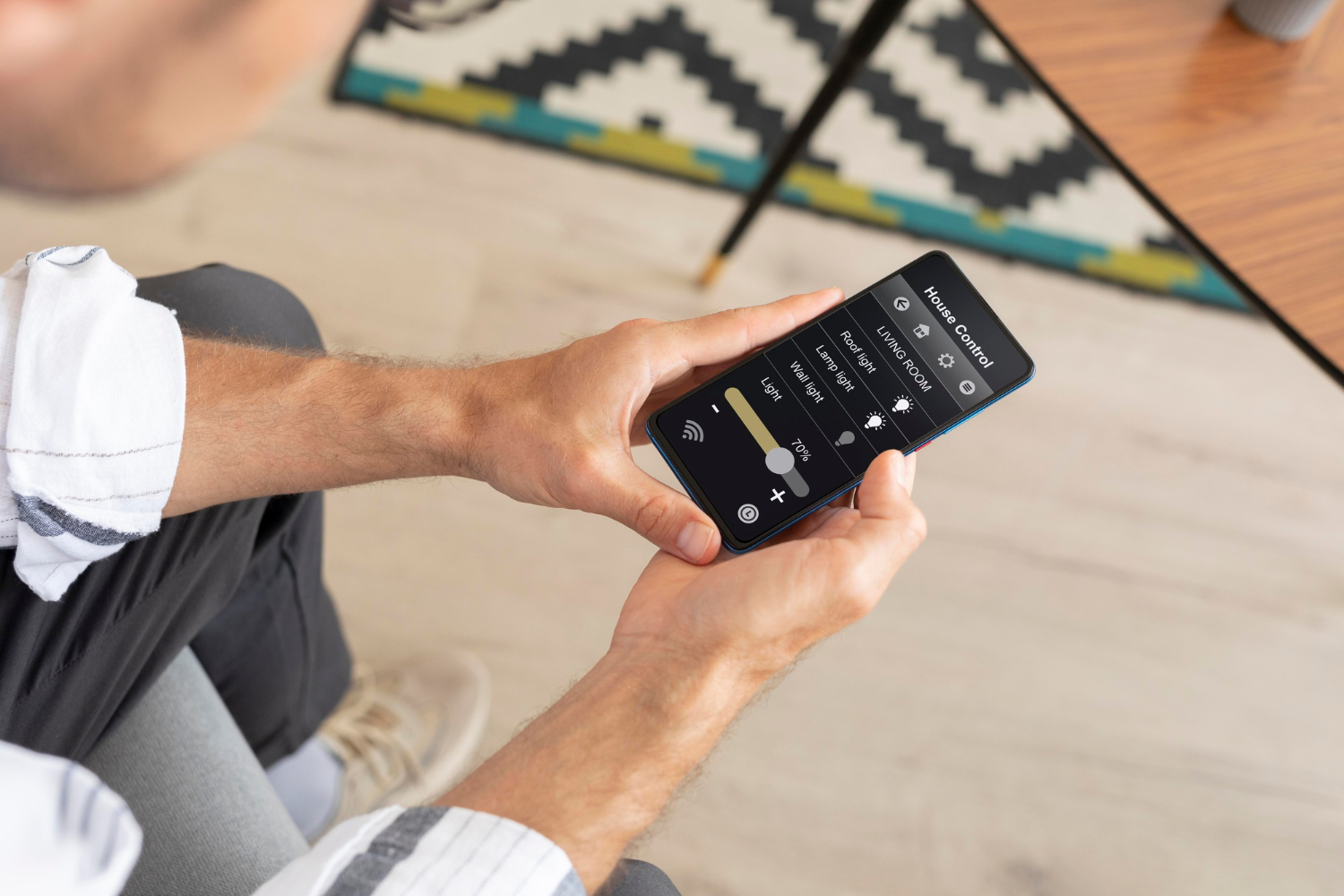
Smart homes are becoming more advanced as connected devices handle a growing number of daily tasks. With Aether Smart Hjem, homeowners can coordinate various smart devices from a single interface, creating a more connected and streamlined home automation experience. A single automation routine can switch on lights, adjust the thermostat, lock doors, activate security cameras, and play music within seconds. Although these actions appear seamless, they require careful coordination behind the scenes. Smart home platforms are designed to manage multiple device commands at the same time while keeping communication organized and reliable. Understanding how smart home platforms manage simultaneous device commands helps explain the technology that allows connected homes to operate efficiently without overwhelming the network or the devices involved.

Coordinating Multiple Device Requests
Every smart home platform acts as a central management system for connected devices. When several commands are triggered together, the platform receives each request and organizes how they should be processed. Some commands are initiated by users through mobile apps or voice assistants. Others are triggered automatically through schedules or sensors. The platform identifies every incoming request and determines where it needs to be sent. Rather than allowing devices to communicate randomly, it coordinates the flow of information. This organized approach helps multiple devices respond correctly without creating unnecessary communication conflicts.
Prioritizing Command Processing
Not every smart home command requires the same level of urgency. Some actions demand immediate responses, while others can tolerate slight delays. For example, unlocking a smart door or triggering a security alarm typically receives higher priority than adjusting decorative lighting. Smart home platforms assign processing order based on the type of request and the situation. This prioritization helps maintain smooth operation when many commands arrive simultaneously. By managing processing order intelligently, the platform improves overall system responsiveness without reducing reliability.
Managing Network Traffic Efficiently
Every command sent across a smart home network consumes bandwidth and processing resources. As the number of connected devices grows, managing network traffic becomes increasingly important. Smart home platforms optimize communication by reducing unnecessary transmissions. Instead of repeatedly sending duplicate instructions, they organize commands efficiently. Some platforms group related actions together before transmitting them. Others distribute communication across different protocols or network paths. Efficient traffic management helps prevent congestion while maintaining fast response times. Stable communication supports better overall smart home performance.

Synchronizing Device Communication
Many automation routines require several devices to work together as part of a single event. Synchronization becomes essential when commands must occur in a coordinated sequence. A “Good Night” routine may lock doors, switch off lights, lower the thermostat, and arm the security system. The platform synchronizes communication so every device receives instructions at the appropriate time. Some actions occur simultaneously, while others follow a specific order. Proper synchronization prevents devices from interfering with one another and helps automation routines operate as intended.
Handling Communication Failures
Wireless communication is not always perfect. Temporary network interruptions, device outages, or signal interference can occasionally prevent commands from reaching their destination. Smart home platforms include mechanisms for handling these situations. Some commands are automatically retried if the first attempt fails. Platforms also monitor device status to determine whether instructions have been successfully completed. Error reporting allows users to identify devices requiring attention. These recovery processes improve system reliability. Even when communication problems occur, the platform works to restore normal operation with minimal disruption.

Supporting Future Device Expansion
Most homeowners gradually expand their smart home systems over time. New lighting controls, cameras, appliances, and environmental sensors increase the number of simultaneous device interactions. Smart home platforms are designed to support this growth without significantly affecting performance. Their command management systems scale as additional devices join the network. Processing methods remain organized even as automation routines become more complex. Efficient command handling allows homeowners to introduce new technology while maintaining stable operation. This flexibility supports long-term smart home development without requiring complete system replacement.
Managing simultaneous device commands is one of the most important responsibilities of a smart home platform. By coordinating requests, prioritizing critical actions, synchronizing automation routines, optimizing network traffic, recovering from communication failures, and supporting future expansion, these platforms create reliable connected home environments. Their ability to organize complex communication allows multiple smart devices to operate together without confusion or unnecessary delays. Understanding how smart home platforms manage simultaneous device commands highlights the sophisticated technology that powers modern home automation. As smart homes continue evolving, efficient command management will remain essential for delivering dependable performance, smoother automation, and a more connected living experience.