
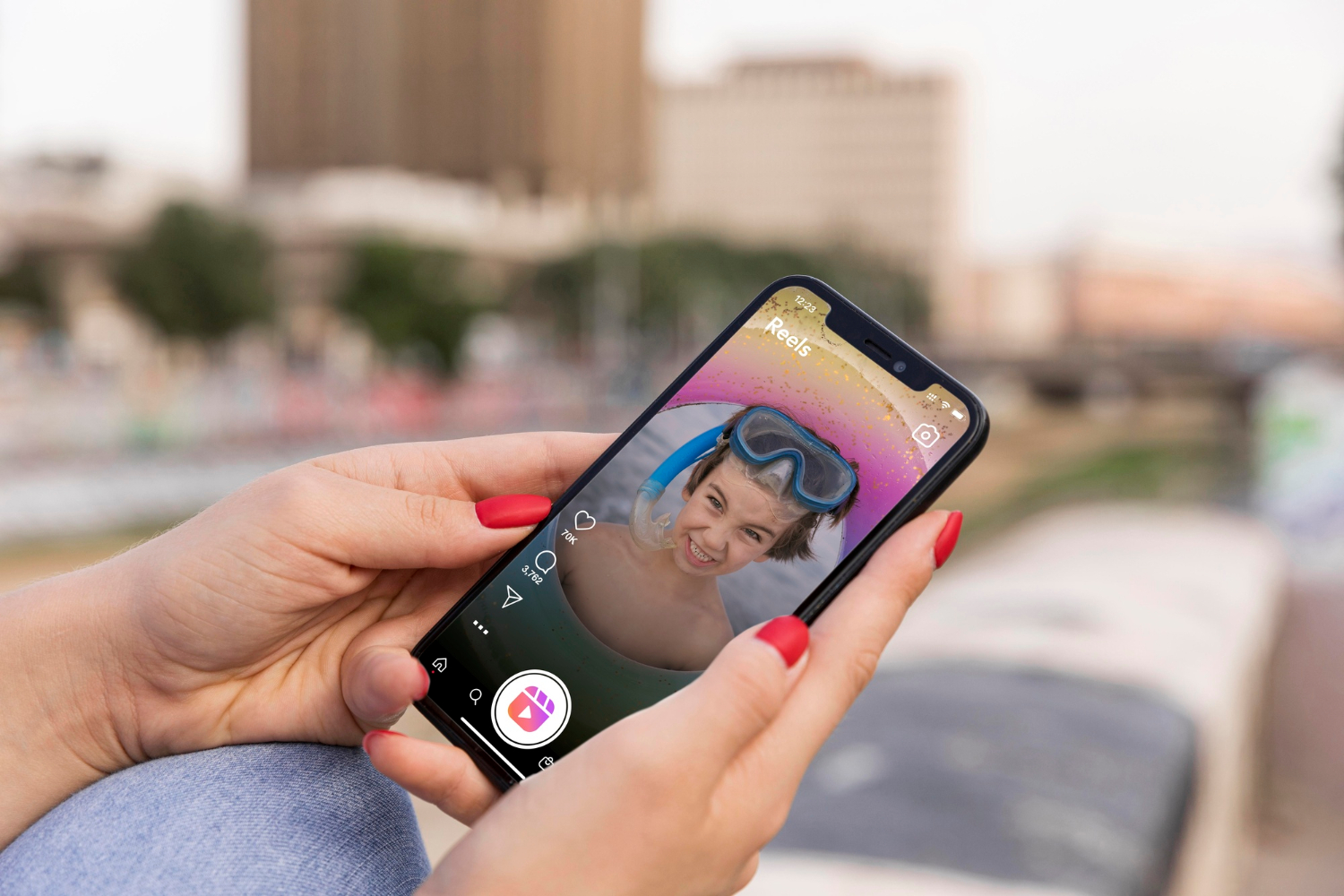
If you’ve ever posted a Reel and wondered why Instagram practically begs you to film vertically, you’re not alone. The app treats vertical footage like a VIP guest, giving it better placement and cleaner playback. This obsession connects directly to how people engage with content and even how creators decide to buy Instagram video views.
Why Vertical Video Dominates Your Feed

That little push can feel tempting once you realize how the platform prioritizes certain formats over others. See, Instagram didn’t flip the video world upside down for fun. The shift came from tracking how users actually hold their phones. Most people scroll with one hand and never rotate their screens on Instagram. So this app’s built systems that reward footage are designed for the way people already behave. Vertical orientation fills the screen and eliminates distractions, which keeps the viewer’s focus exactly where the engineers want it.
This full-height display gives Instagram more control over how your frame is interpreted. The app breaks your video into small data chunks and matches them to on-device resolution limits. This helps maintain clarity under different network speeds, though it doesn’t always feel perfect. Still, vertical formats cut down compression artifacts because the shot matches the phone’s natural display ratio.
Why Your Reels Look Sharper Than Your Landscape Clips
A lot of creators notice their horizontal clips turn soft or grainy. There’s a reason. Instagram scales down landscape footage so users can scroll without squinting. That scaling crushes details, especially in movement-heavy scenes. Vertical videos skip most of that resizing, keeping more of the original structure intact. This is why those crisp Reels pop while other formats sometimes fall flat. Another perk? Vertical clips usually use fewer redundant pixels. That makes them easier for the app to compress without wrecking quality. The system analyzes edges, faces, and motion paths, then decides where it can save space.
The Tech Behind Face and Object Prioritization

Instagram also boosts vertical content because the app uses machine-based models that read faces better in that position. Most people position their head in the center of the frame, and vertical videos naturally highlight that layout. The system can detect angles, lighting changes, and focal points with far more accuracy. This improves everything from stabilization to exposure correction. This face-detection focus also helps the app pick ideal thumbnail frames. You get better previews, higher retention, and cleaner mid-scroll pauses. Even small advantages like these can nudge your video further in the feed cycle. It’s little technical nudges, but they add up fast.
Why Vertical Ratio Matters for Playback Quality
Instagram’s compression steps are picky. They look at bitrate, resolution, and frame timing. If your upload fights the ratio the platform prefers, the system trims more data to make it fit. This is why videos filmed in oddly cropped orientations look muddy. The fix is straightforward: shoot in vertical 1080×1920 or as close as your device allows.
How Creators Use Vertical Optimization Strategically
Many creators plan every shot with Instagram’s technical preferences in mind. They frame closer. They limit unnecessary background clutter. They pick lighting that plays well with mobile sensors. Once they dial in those basics, it becomes easier to push exposure on their videos—some even explore buy Instagram video views to give new Reels momentum.